Your travel expert
Xavier Amigo
Responsible for naturalist, botanical and ornithological travel. Responsible of fixing and professional contact.

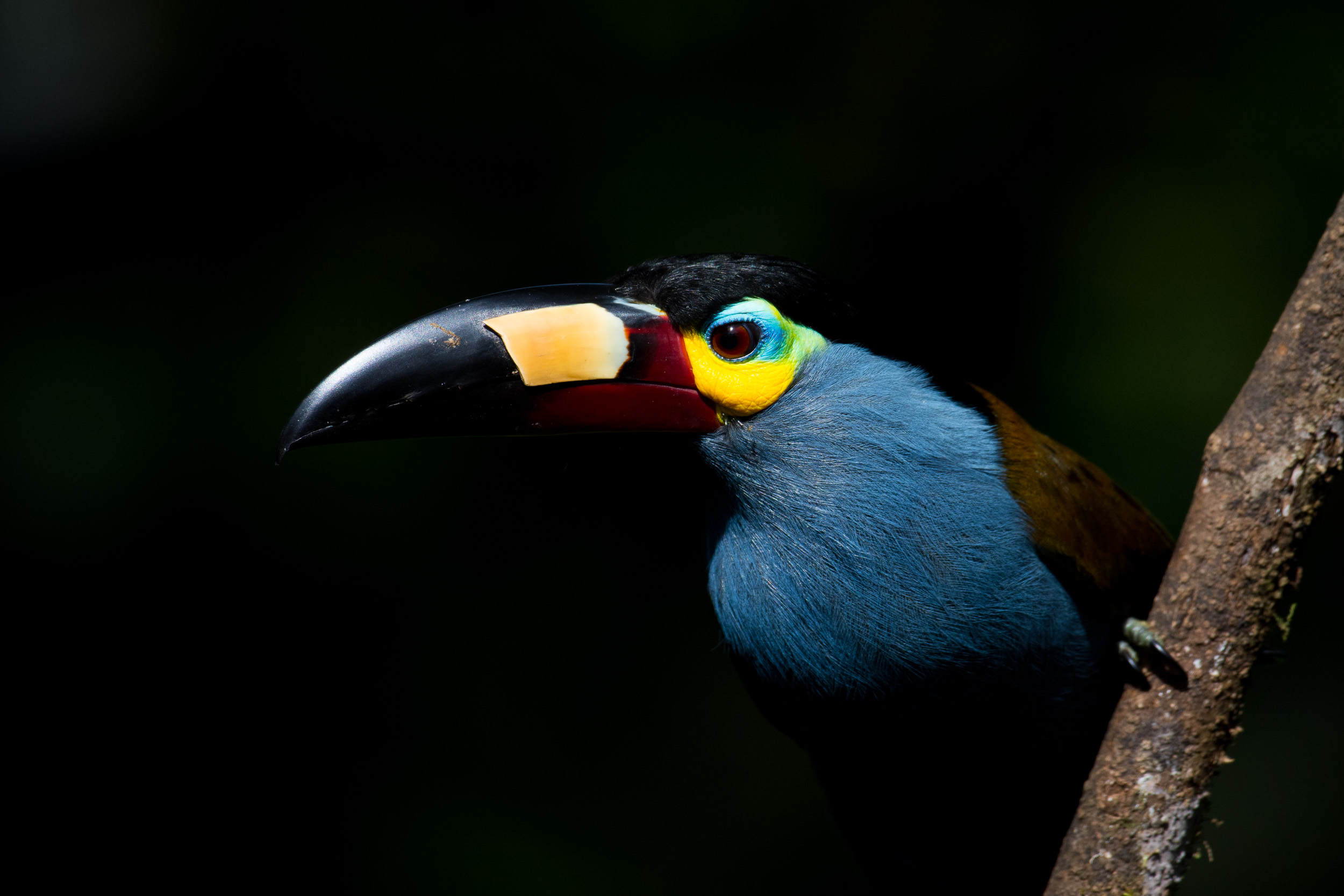 https://nature-experience-group.com/wp-content/uploads/2024/04/Sam-Tadeo-Toucan-montagnard-Andigena-laminirostris-Plate-billed-Mountain-Toucan-DSC_9822-1240x700.jpg
The Andean Chocó, a marvel of biodiversity, is a must-visit destination for nature enthusiasts. This is a thoughtful journey for contemplative observers focused on birds, wildlife, and biodiversity.
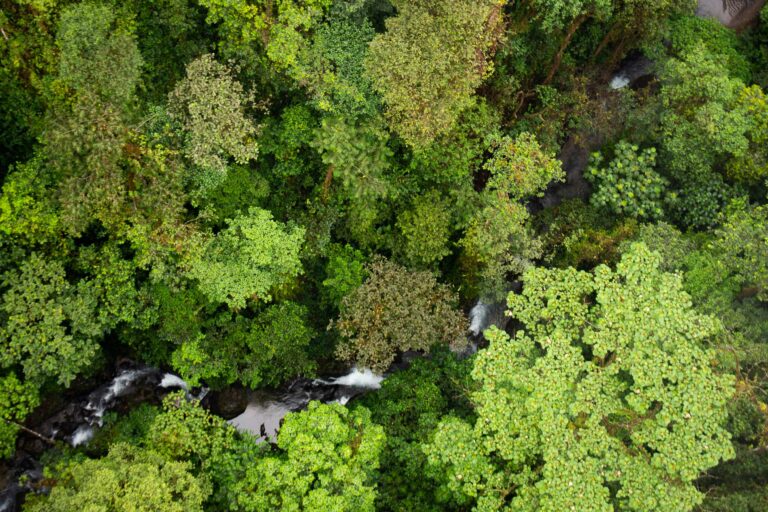
Nestled behind the towering peaks of Ecuador’s Pichincha volcano, the Andean Chocó is a natural wonder that has recently gained global recognition as a UNESCO World Biosphere Reserve. Spanning 287,000 hectares of pristine subtropical forest, this ecological treasure acts as a vital lung for the planet, absorbing around 250 tons of carbon per hectare. Within its 12 forest types and four climatic zones, an astonishing diversity of life thrives—thousands of species of birds, mammals, reptiles, amphibians, and fish. Birders and wildlife enthusiasts can photograph emblematic creatures such as the Spectacled Bear or seek out hidden marvels like the recently discovered Olinguito. Beyond wildlife, the Chocó enchants with countless waterfalls, lush green landscapes, and a rich cultural history. This mosaic of ecosystems offers one of the most authentic escapes into nature, where biodiversity and beauty converge in an experience unlike any other.
 18th International Symposium on Trichoptera
 Birdwatching tours
This trip was originally published on Birding Experience,
find out more on its specialised website

Your travel expert
Xavier Amigo
Responsible for naturalist, botanical and ornithological travel. Responsible of fixing and professional contact.
Our journey into the Chocó mountain region begins with an early departure from the hotel, descending along the western foothills of the Andes. This scenic drive gradually immerses us in the lush Andean forest, where we’ll make our first stop at the Alambi River Reserve (1,550 m). Here, a dazzling concentration of hummingbird feeders offers unrivaled opportunities for birdwatching and photography, framed by vibrant vegetation in bloom. A gentle walk along the river may reward us with sightings of Golden-headed Quetzal, White-capped Dipper, Rufous Motmot, Uniform Antshrike, and Torrent Duck. Lunch will be served with front-row views of the feeders—a feast for both the eyes and the palate.
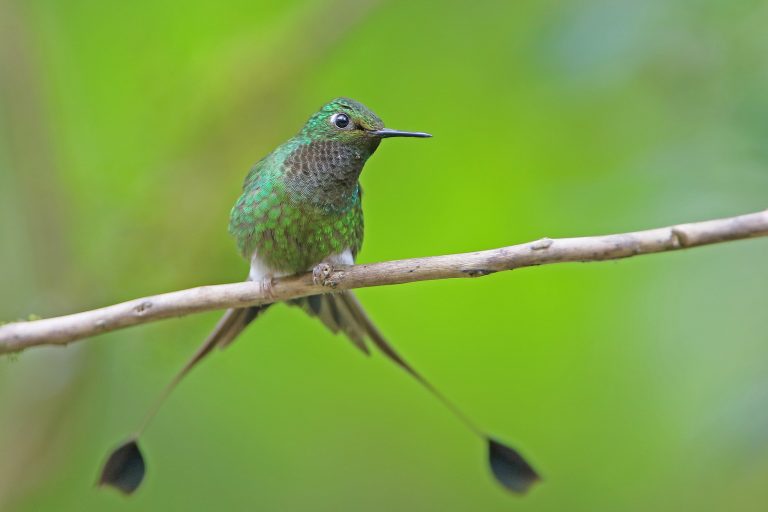
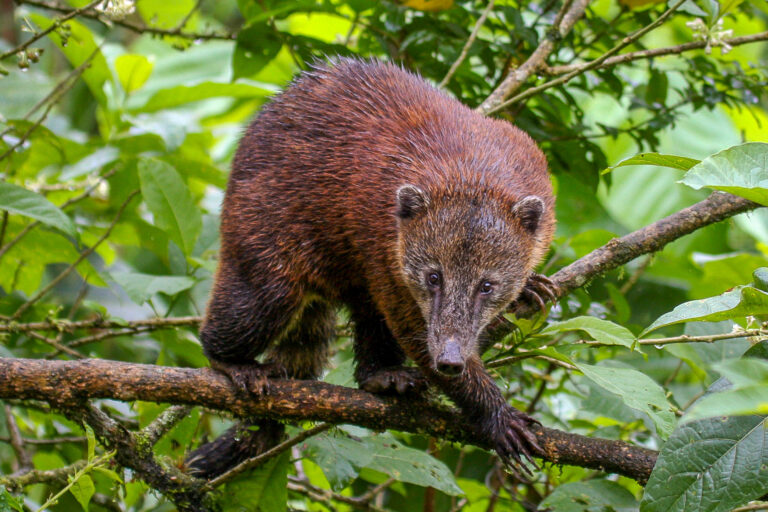
In the afternoon, we continue higher into the Tandayapa Valley (2,200 m), reaching our lodge tucked deep within the enchanting cloud forest. Feeders around the lodge attract more sparkling jewels of the forest, such as Booted Racket-tail, Violet-tailed Sylph, Collared Inca, and Gorgeted Sunangel. After dinner, we’ll venture into the night to search for elusive nocturnal mammals, including the Olinguito (Bassaricyon neblina)—a rare, tree-dwelling carnivore discovered only recently, offering the chance for exceptional wildlife photography.
Private transportation, naturalist English-speaking guide, lunch, dinner, and overnight stay.
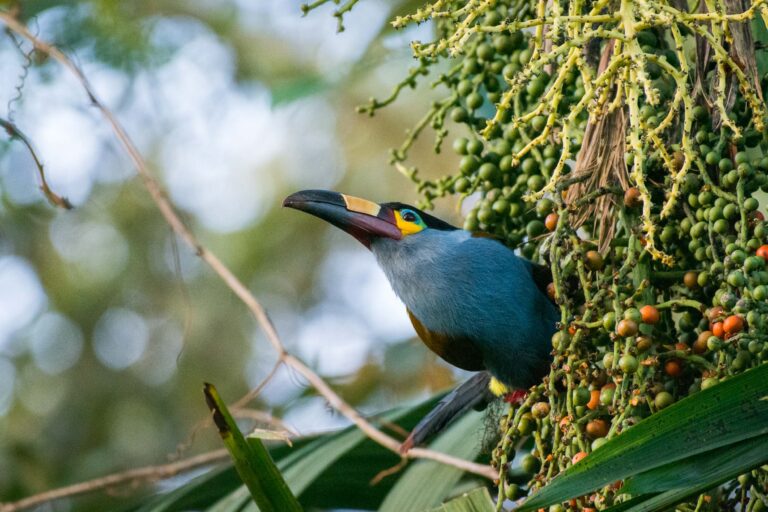
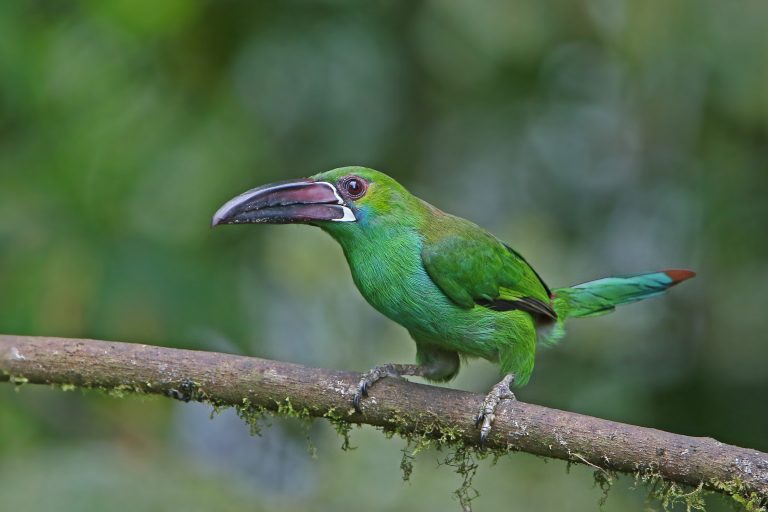
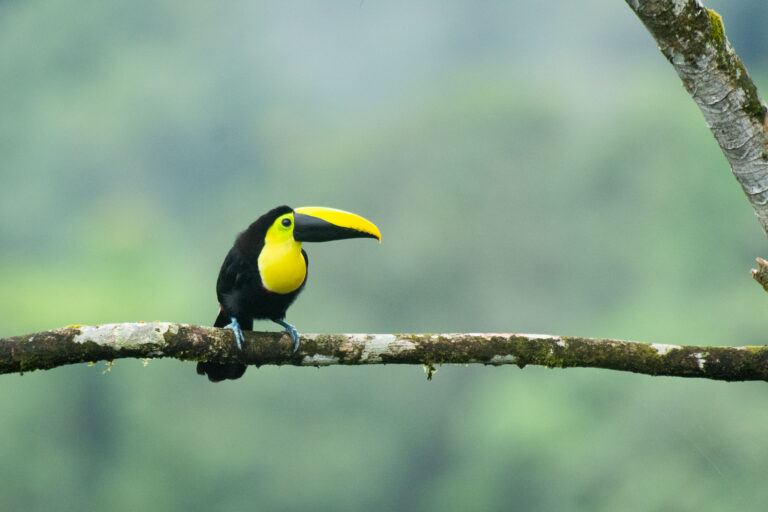
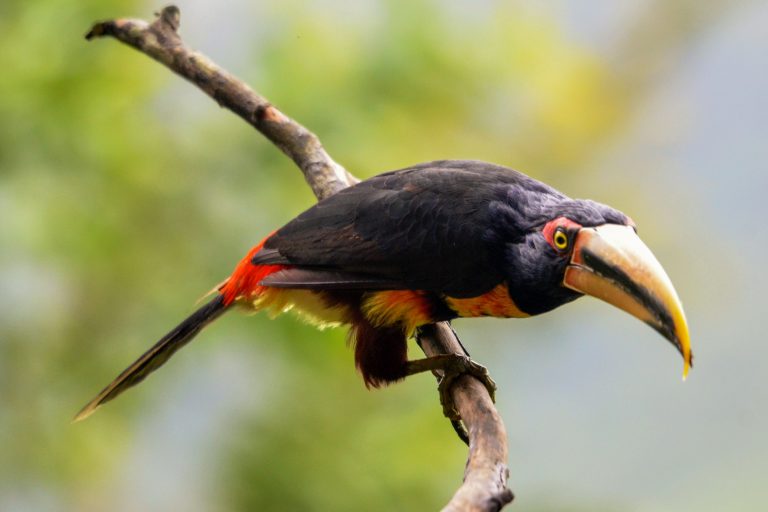
At dawn, we begin the day with a nature-watching session around the lodge, where insectivorous birds arrive to feed on moths and other insects lingering after the night. As the forest awakens, we venture into the higher reaches of the reserve, following winding trails through misty cloud forest. These paths not only reveal an astonishing bird community but also illustrate the delicate ecological balance of this fragile ecosystem. With luck, we may encounter specialties such as Plate-billed Mountain-Toucan, White-faced Nunbird, or the elusive Tanager-Finch. Keen-eyed observers and photographers will also find endless subjects beyond birds: the intricate textures of tree ferns, glistening orchids, cryptic anoles, translucent glass frogs (Centrolene), and vibrant heliconias.
In the late afternoon, we return to the lodge’s feeding areas, where the stage belongs to the hummingbirds. In the soft light, these tiny jewels squabble and dazzle at close range, offering perfect conditions for photography. Among the most regular visitors are Fawn-breasted Brilliant, Collared Inca, Gorgeted Sunangel, and the striking White-booted Racket-tail.
Dinner and overnight at Bellavista Lodge.
Private transportation, naturalist English-speaking guide, breakfast, lunch, dinner, and overnight stay.
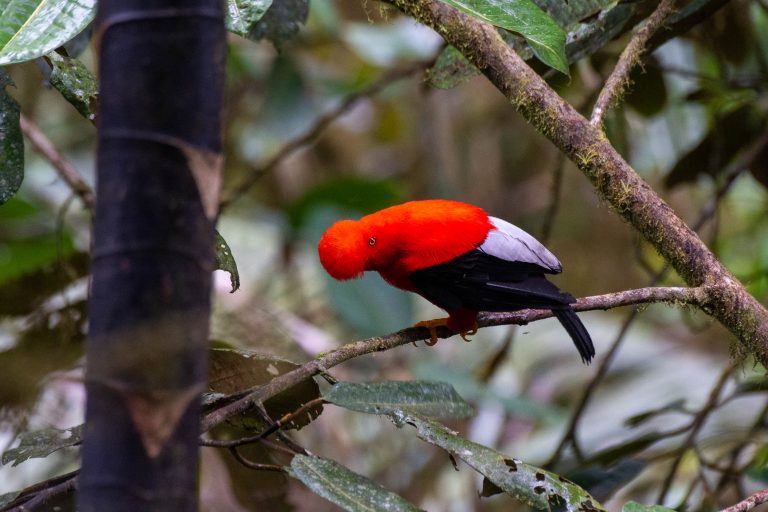
This morning brings one of the most anticipated highlights of the journey: the world-famous Paz de las Aves Bird Sanctuary. At dawn, we’ll position ourselves at the Cock-of-the-Rock lek, where the forest echoes with the guttural calls and wing-flapping displays of brilliantly plumaged males competing for attention. At 1,800 meters, this reserve has earned legendary status for making the invisible visible—thanks to Ángel Paz, who has habituated several notoriously secretive Antpittas.
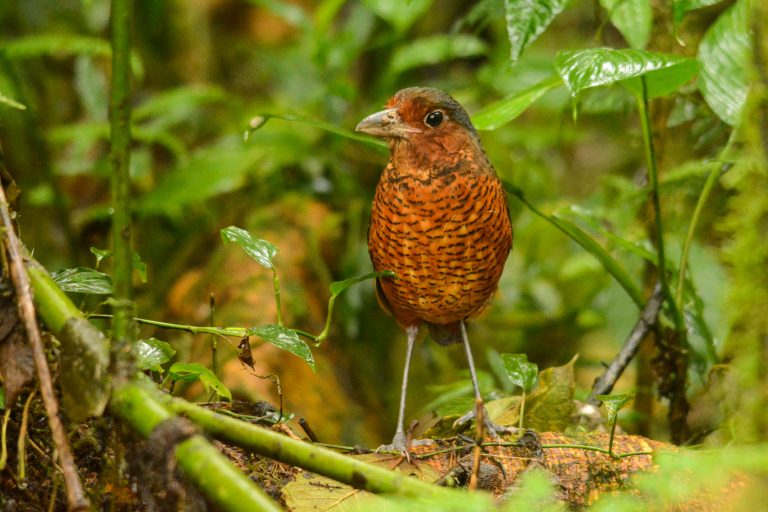
With patience, we’ll have the chance to photograph Giant, Yellow-breasted, Chestnut-crowned, Ochre-breasted, and Moustached Antpittas at remarkably close range. Few experiences in birding rival watching these shy forest denizens hop into view. We’ll also enjoy superb hummingbird and fruit feeders, completing our roster of Andean Chocó specialties.
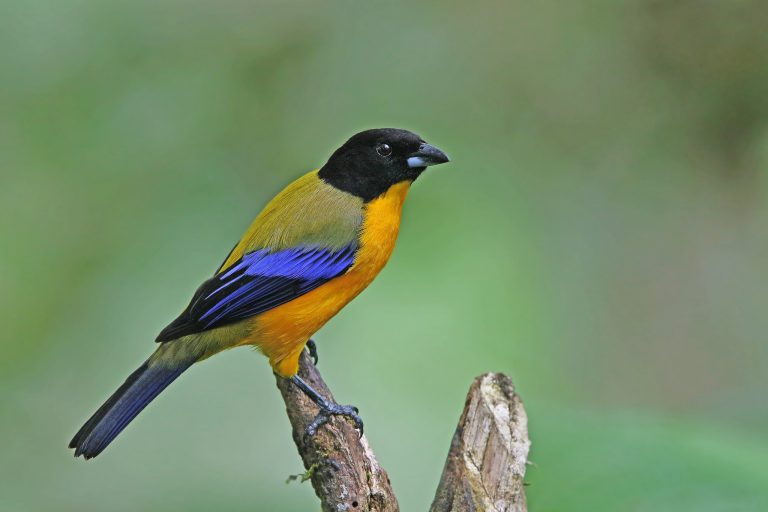
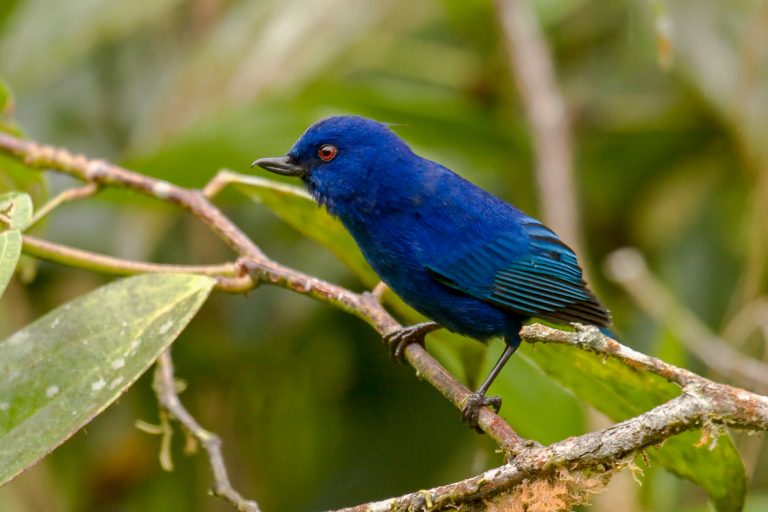
After a hearty lunch on-site, we descend toward the foothills and continue to Milpe Bird Sanctuary. Its lush trails cut through one of the richest mid-elevation forests in Ecuador, alive with the displays of Club-winged and Golden-winged Manakins, as well as swirling mixed flocks. Around the feeders, honeycreepers, tanagers, and toucanets provide a kaleidoscope of color to round out another unforgettable day in the Chocó.
Private transportation, naturalist English-speaking guide, breakfast, lunch, dinner, and overnight stay.
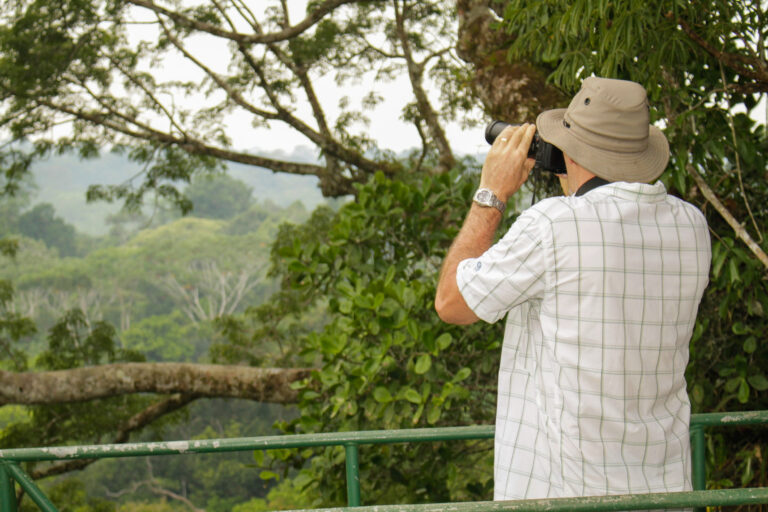
At first light, we’ll settle into the two hides near the lodge, waiting patiently for shy understory species and uncommon frugivores drawn to fruiting stations—an intimate setting perfect for rare photographic moments. Afterwards, we’ll climb the canopy observation tower, where mixed flocks and elusive treetop dwellers like tanagers, toucanets, and woodcreepers reveal themselves in the morning sun. Returning for breakfast, we’ll then continue to Santa Rosa Reserve, a gem managed by a bird photographer. Here, strategically placed feeders provide exceptional chances to capture jewel-like hummingbirds, flamboyant toucans, and brilliantly colored tanagers at close range.
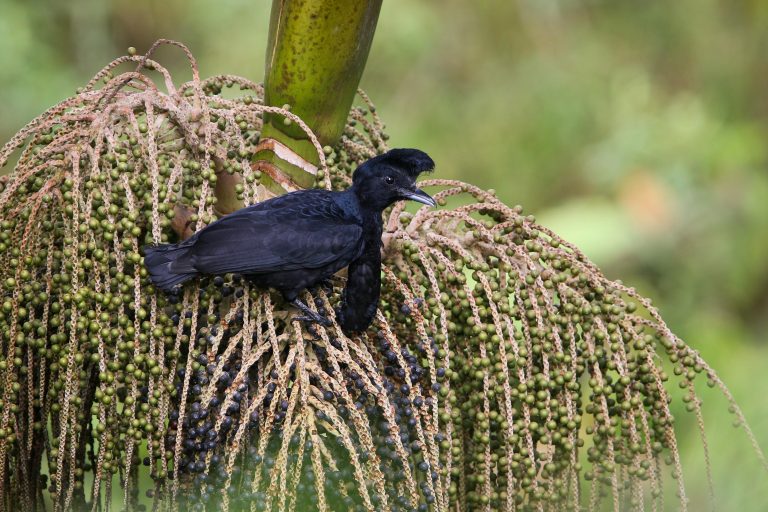
The afternoon is at leisure: choose between relaxing at the comfortable lodge or venturing onto nearby trails that meander through dense forest. With luck, we may encounter the magnificent Long-wattled Umbrellabird, one of the Chocó’s most iconic species, alongside mammals such as Tapirs, Agoutis, and shy Brocket Deer.
Dinner and overnight at the same lodge.
Private transportation, naturalist English-speaking guide, breakfast, lunch, dinner, and overnight stay.
At first light, we’ll enjoy breakfast and a few final photos around the lodge, where moths and other nocturnal insects still attract early-rising birds. Soon after, we depart for Silanche Bird Sanctuary (600 m), a Mindo Cloud Forest Foundation reserve that protects one of the last strongholds of Chocó lowland forest. This threatened ecosystem—largely cleared for palm oil, banana, and palm heart cultivation—remains a haven for endemics and specialties.
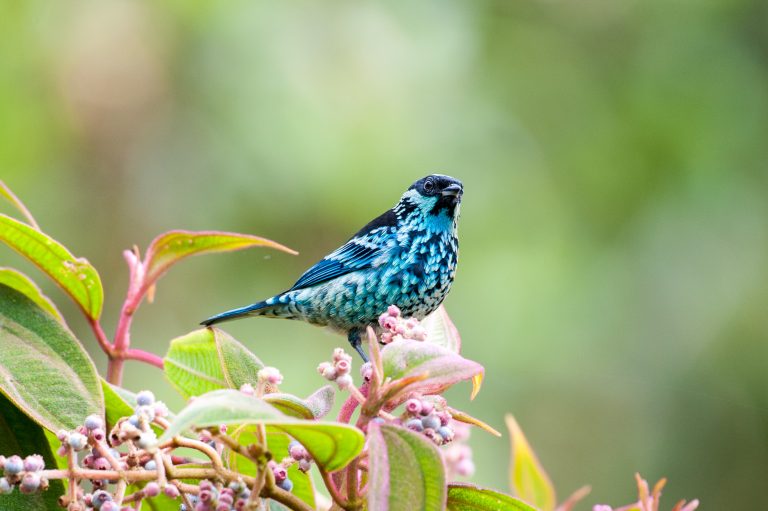
We’ll dedicate the morning to its canopy observation tower, where mixed flocks sweep through with dazzling speed: Scarlet-browed and Blue-whiskered Tanagers, Purple-chested Hummingbird, Scarlet-breasted Dacnis, Choco Toucan, Scarlet-rumped Cacique, and Black-striped Woodcreeper. With patience, we may also spot rarities such as Slate-throated Gnatcatcher, Dot-winged Antwren, or even the striking Rose-faced Parrot.
After a box lunch on-site, we’ll continue towards the Mashpi region. Along the dirt road, we’ll make opportunistic stops for foothill specialty species. We’ll arrive by late afternoon at a charming lodge set in the heart of one of Ecuador’s most biodiverse reserves.
Dinner and overnight at the lodge.
Private transportation, naturalist English-speaking guide, breakfast, lunch, dinner, and overnight stay.
Amagusa is a new must-visit reserve for enthusiasts of rare and iconic Neotropical species. Thanks to the extraordinary conservation work of Doris and Sergio, this part of the upper Mashpi Valley has become an exemplary haven for birds in Ecuador. At first light, a dawn birding session awaits around the lodge, where dozens of insectivores visit the moth feeder: Pacific Tuftedcheek, Zeledon's Antbird, Spotted Woodcreeper, Streak-capped Treehunter, One-colored Becard, Tawny-breasted Flycatcher, and up to a dozen more. The fruit feeders attract Moss-backed Tanager, Green Honeycreeper, Flame-faced Tanager, and Rose-faced Parrots. A Tayra even occasionally stops by. Stepping out of your room, the forest comes alive with color and movement.
After breakfast and recording at least 60 species, we’ll explore the main road and forest edges for additional rare and photogenic species: Choco Vireo, Cloud Forest Pygmy-Owl, Choco Warbler, Black Solitaire, Rufous-brown Solitaire, and Orange-breasted Fruiteater, among many others. For photographers, every moment in this magical reserve is a chance to add spectacular images to your portfolio—bring extra batteries and memory cards.
Dinner and overnight at the lodge.
Private transportation, naturalist English-speaking guide, breakfast, lunch, dinner, and overnight stay.
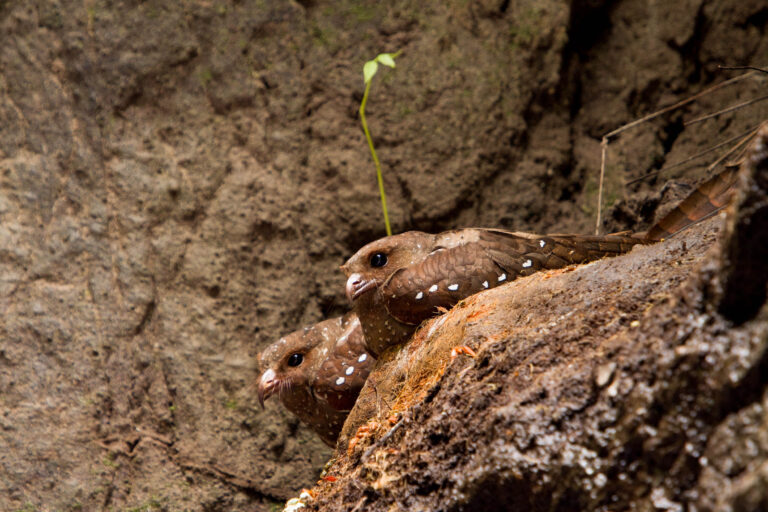
This additional morning on-site allows us to complete our list with any species we may have missed the previous day. After breakfast, we’ll say goodbye to our hosts and head towards the canyon of the Guayllabamba River to visit the Cueva de los Tayos Reserve. This unique site is the best place in Ecuador to observe the fascinating cave-dwelling Oilbirds up close. Managed by local farmers dedicated to conserving this nocturnal species, the reserve also works to mitigate the impact of surrounding agricultural activities.
Along the way, we’ll make stops to add more bird species to our list, and there’s an option to visit the Tulipe archaeological site, showcasing the stone architecture of the ancient Yumbo civilization.
By late afternoon, we’ll arrive in Quito, where we will spend the night at a comfortable lodge with beautiful gardens and birds.
Private transportation, naturalist English-speaking guide, breakfast, lunch, dinner, and overnight stay.
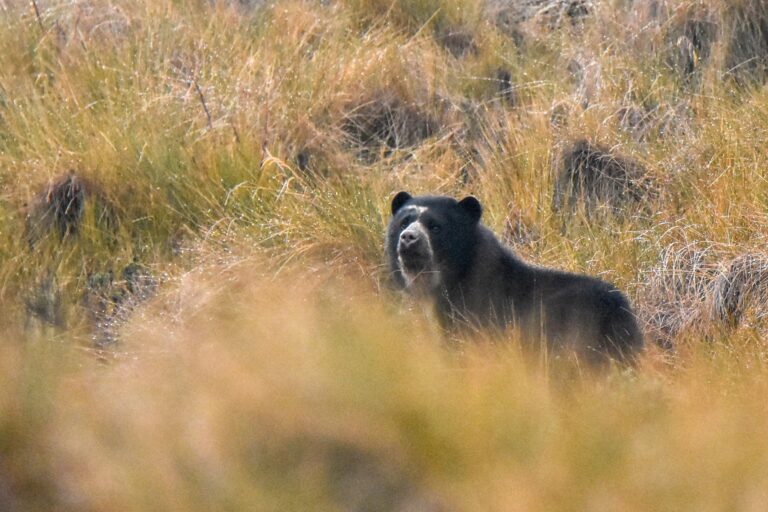
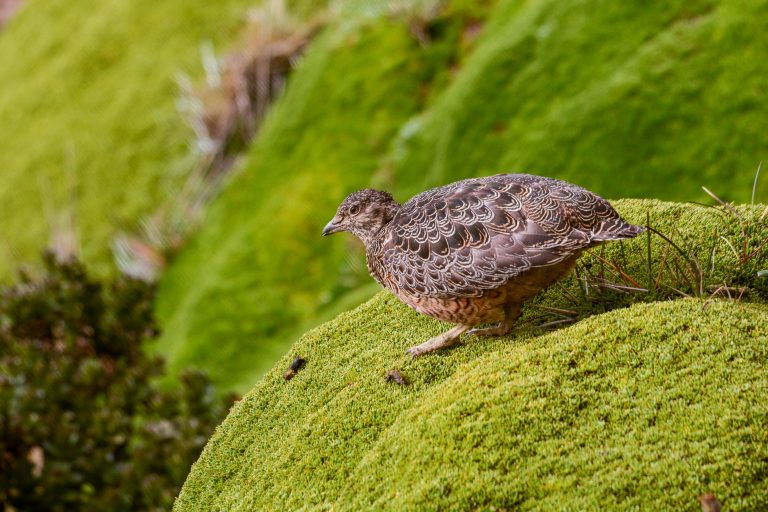
After an early breakfast, we will take the short road to the Cayambe-Coca Ecological Reserve. Along the route, which runs alongside an ancient Pleistocene glacier valley, we will take some time to admire the magnificent landscape and, more importantly, to try to observe the rare Andean Spectacled Bear, the only native bear of South America. Then, we will explore the high-altitude grassy and bushy vegetation in search of hummingbirds, high Andean songbirds, the White-tailed deer, and the impressive Andean Condor. We will continue ascending to the antennas at around 4500 meters to observe the rare Rufous-bellied Seedsnipe.
Depending on the weather and flight times, we can reach the Papallacta hot springs area, where we can finalize our observations of high-altitude species and enjoy a hearty meal before returning to the Ecuadorian capital for your international flights.
Private transportation, naturalist English-speaking guide, breakfast and lunch.
Chocó Birding Itinerary - Prices and dates of upcoming departures
| Prices and departure dates | 2 travellers | 4 travellers | 6 travellers | 8 travellers |
|---|---|---|---|---|
Prices 2026 | - | 2 236 | 1 847 | 1 644 |
Prices 2027 | - | 2 393 | 1 976 | 1 759 |
Prices 2028 | - | 2 560 | 2 114 | 1 882 |
Are you a group of travellers looking for a special price, a specific departure date, or would you like to change this itinerary?
Customise this trip Contact usIncluded
Not included
Payment and reservation terms
To book your tour, please confirm your agreement in writing to your travel expert.
The agency declines all responsibility for the execution of the confirmed services in case of non-compliance with the above payment terms.
Important note
Itineraries may be subject to last minute changes due to natural disasters or changes in domestic legislation. The visitor must take into account and accept the possibility of last minute changes in the organisation of the trip. The operator therefore reserves the right to make any changes necessary to ensure the safety and integrity of the travellers and to comply with the laws in force. The hotels are given as an indication subject to availability at the time of booking the tour. In case of unavailability, a hotel of the same category will be proposed.
Formalities
passport valid 6 months after your return date. No visa is required at this time. Your health insurance (private or public) is compulsory to enter Ecuador.
Vaccinations: although no vaccinations are compulsory, we advise you to consider those against tetanus, yellow fever and hepatitis A and B as indispensable.
We recommend that you consult your doctor before departure and that you take out insurance to cover medical expenses and repatriation.
Concerning parasitic diseases transmitted by mosquito bites (such as malaria, dengue fever, Chikungunya), please note that Quito and the centre of the country and the Galapagos are not affected. Furthermore, the majority of the country's risk areas are not in the zones we visit during our itineraries.
Rates in US dollars based on double occupancy (single supplements not included). These rates are valid for the dates selected but may be subject to increase at the time of booking and depending on the tourist season and local holidays. Our quotations are calculated in US Dollars and we are committed to this amount. The equivalent value in Euros or in any other currency is therefore indicative and calculated on the basis of the exchange rate on the day of the offer.
Your guide for this trip
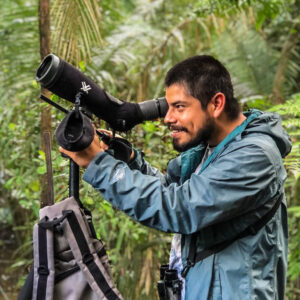
Juan Carlos Figueroa


Juan Carlos is an ecuadorian/mexican biologist and nature/birding tour guide, grown in the city of Guayaquil, Ecuador. He is a passionate naturalist with a lifelong interest in wildlife, which evolved at the age of 20 into an absolute fascination with birds and conservation. In its beginnings in birdwatching his favorite place for birding was a forest in his hometown called Cerro Blanco Protected Forest. In which after a few years he decided to train to work as an environmental interpreter. This was a decisive step in his life, as this led him to discover his vocation to share his passion for the birds and their conservation. During the last seven busy years he has devoted himself entirely to working as a guide, traveling, and birding to new areas and has collaborated in bird conservation projects in Ecuador. He has traveled extensively to all 24 provinces of Ecuador, leading tours to different parts of the country specially the west, north and south of it. With his age of 29 he is one of the most experienced birders of Guayaquil and Ecuador, having seen over 1,100 species. Juan Carlos seeks to achieve its dream of encouraging bird conservation in Ecuador and guiding groups of birdwatchers worldwide.
Characteristics of the trip
Travel theme |
Nature and birdwatching tour |
|---|---|
Accompaniment |
Bilingual specialist guide |
Group |
Private - 4 to 6 passengers |
Arrival city |
Quito |
Departure city |
Quito |
Food |
Local and international meals |
Accommodation |
Superior nature lodges |
Transport |
Private |
Physical condition |
Easy to moderate |
Best season |
Trips can be organized year-round, from January to December. Dryer season: June to February |
Other trips that may interest you
Conquering the roof of the world: Chimborazo volcano

A road-trip along the ‘Volcano Avenue’ to discover Andean culture and incredibly dramatic landscapes.


Exploration of the biodiverse Tandayapa Valley
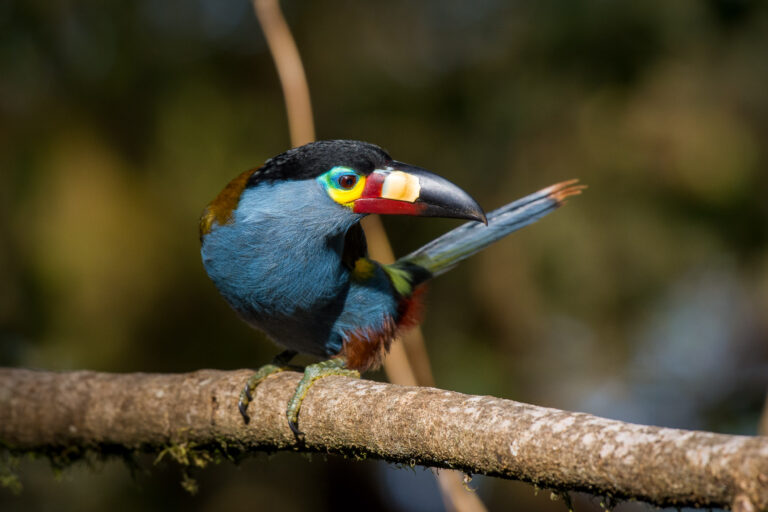
Immerse yourself in the cloud forests of the Ecuadorian Chocó, one of the most biodiverse regions on the continent.


Highland adventure in the Antisana Reserve

Explore the beautiful Antisana Highlands National Parc and discover the heart of the eastern Andes mountain range, a protected area with typical "parámo" highland vegetation and home to a variety of wildlife.
Hiking and andean natural history around Papallacta hotsprings

Walking on the path of water and life in Papallacta.

Receive our brochure
Customize your trip